Embroidery on Clothes: How to Embroider Shirts, Jackets and More
How to hand embroider clothes: choosing a garment, stabilisers for stretchy fabric, hooping, transferring designs, best stitches and washing tips.
By Ayoub Farid · · 2 min read
Adding embroidery to clothes is a great way to personalise a plain shirt, refresh old jeans or cover a stain. It needs a few adjustments compared to stitching in a hoop on cotton, mostly about fabric stretch and durability.
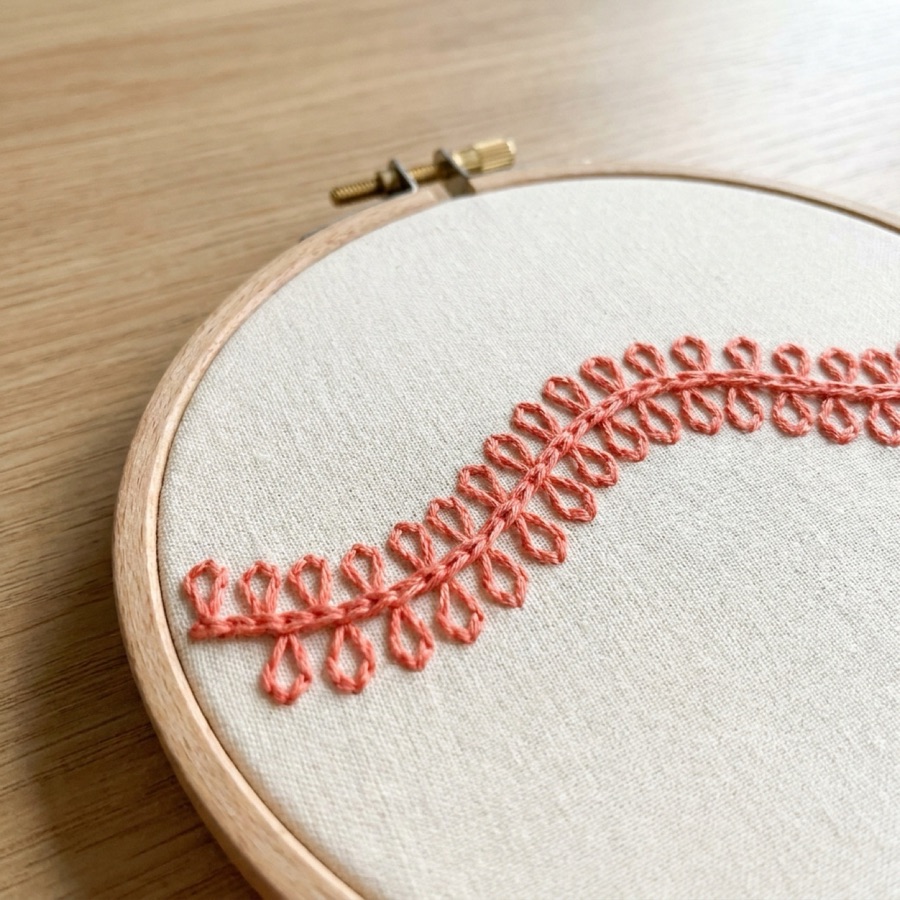
Choose the right garment
| Garment | Difficulty | Notes |
|---|---|---|
| Cotton shirt or blouse | Easy | Stable woven fabric |
| Denim jacket or jeans | Medium | Thick; use a strong, sharp needle (denim guide) |
| Tote bag | Easy | Canvas or cotton (tote guide) |
| T-shirt / sweatshirt | Medium | Stretchy; needs stabiliser (t-shirt guide) |
| Knit sweater | Medium–hard | Very stretchy and textured (sweater guide) |
| Baby clothes | Medium | Soft knits; keep backs smooth (baby clothes) |
Use a stabiliser for stretchy fabrics
Stabilisers stop knits from stretching and puckering:
- Iron-on (fusible) stabiliser on the inside: stays in, adds support.
- Tear-away stabiliser: removed after stitching.
- Water-soluble stabiliser on top: printed with your design, rinses away.
Hooping clothes
- Use a small hoop that fits the area (10–15 cm).
- Don't over-stretch knits in the hoop; they should be smooth, not distorted.
- Only hoop one layer. Slide the hoop inside the garment so you don't stitch the front to the back.
- Remove the hoop when you stop, to avoid marks.
Transferring the design
Water-soluble stabiliser is the easiest for dark or knit fabrics: print, stick, stitch, rinse. On light woven fabrics, trace with a washable pen. See transfer methods.
Best stitches for clothes
Choose durable stitches with short floats:
- Back stitch, split stitch, chain stitch, stem stitch
- French knots (fine, but avoid on cuffs that rub)
- Lazy daisy
- Avoid long satin stitches that snag; keep fills small or use seed stitch.
Secure everything
Start with waste knots and finish by weaving tails under stitches, doubling back (starting and ending thread). On items worn against skin, an iron-on interfacing over the back keeps it soft and protects the stitches.
Washing
Inside out, cold, delicate cycle, mesh bag, air dry. See how to wash embroidery.
Ideas
- Initials on a shirt cuff or pocket
- A wildflower sprig on a collar
- Script name across the back of a denim jacket in chain stitch
- Tiny hearts or stars scattered over a sweatshirt
- Visible mending on worn jeans
"Embroider clothes & bags" is one of the goals you can pick in Hoopie's onboarding; it's also why the first lessons focus on durable line stitches.
Frequently asked questions
Can you hand embroider on clothes?
Yes. Use a small hoop, a stabiliser for stretchy fabrics, and durable stitches.
Do I need a stabiliser to embroider a shirt?
For woven cotton shirts, usually not. For t-shirts and knits, yes.
Will hand embroidery survive washing?
Yes, if thread ends are secured and you wash gently: inside out, cold and delicate.
What thread is best for embroidering clothes?
Good-quality six-strand cotton floss, which is colourfast and durable.