Visible Mending: Repair Clothes Beautifully with Embroidery
Learn visible mending with hand embroidery: sashiko patches, darning, embroidered motifs over holes and stains, with step-by-step methods and stitch choices.
By Ayoub Farid · · 2 min read
Visible mending turns repairs into decoration. Instead of hiding a hole or stain, you stitch over it with something beautiful. It saves clothes from the bin and makes them uniquely yours.
What you need
- Embroidery floss, perle cotton or sashiko thread
- A sturdy embroidery or sashiko needle
- Patch fabric (for holes)
- A small hoop or a darning mushroom (or a jar lid)
- Pins and a washable pen
Method 1: Sashiko-style patch (for holes)
- Trim loose threads around the hole.
- Pin a patch behind the hole (or on top for a visible patch), 2 cm larger all round.
- Draw parallel lines across the area with a washable pen, about 5 mm apart.
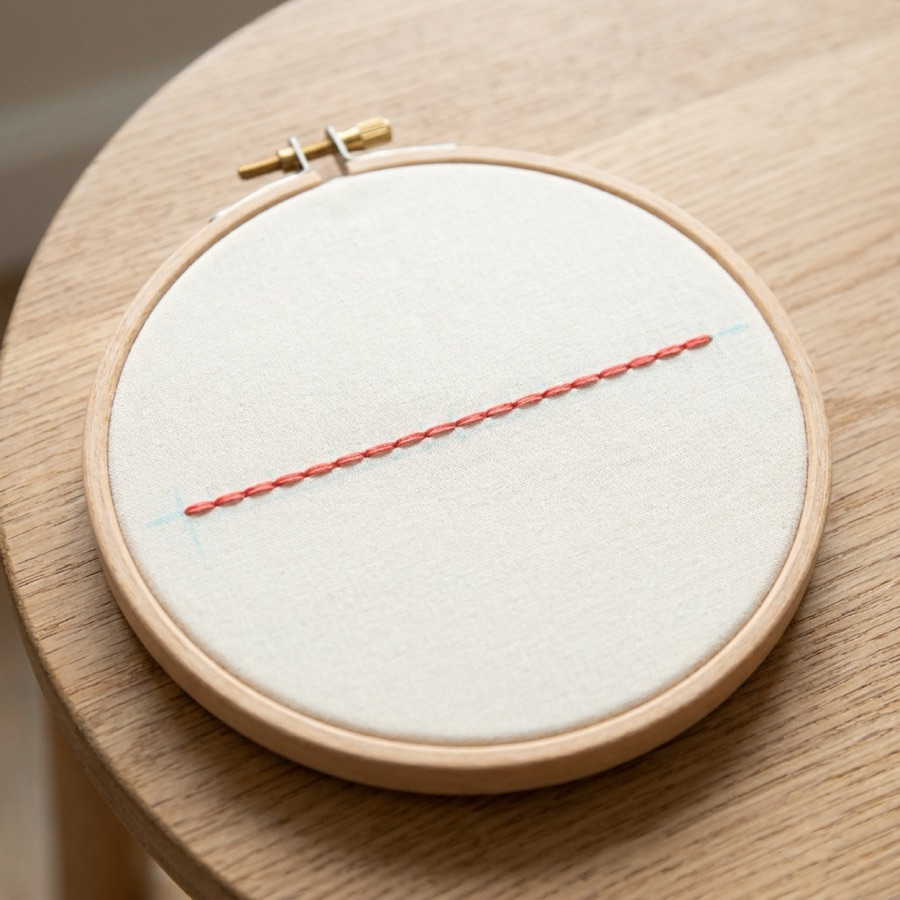
- Stitch rows of running stitch through both layers, along the lines.
- Optionally add perpendicular rows for a grid.
The rows hold the patch firmly and look beautiful. More in sashiko for beginners.
Method 2: Darning (for small holes in knits)
- Stitch parallel straight stitches across the hole, anchored in solid fabric on each side.
- Weave perpendicular stitches over and under them, like a tiny loom.
- Use contrasting colours for a visible darn.
Method 3: Embroidered motif (for stains and small holes)
Cover the spot with a design:
- A satin stitch heart or flower
- A French knot cluster
- A lazy daisy flower
- A mushroom or fruit
For holes, put a small patch of fabric behind first.
Method 4: Blanket stitch patch
Stitch a fabric shape over the hole with blanket stitch around the edge. Simple and decorative.
Tips
- Pre-wash patch fabric so it doesn't shrink.
- Match patch weight to the garment (denim on denim).
- Don't pull tight; mended areas should flex with the fabric.
- Contrast is the point: choose colours that stand out.
Best garments to start with
Jeans knees, jacket elbows, sweater holes, tea-stained shirts. See how to embroider denim and how to embroider a sweater.
Practice before mending
Before mending a favourite piece, practise on a scrap of similar fabric:
- Cut a small hole in an old shirt or jeans offcut.
- Patch it with sashiko-style rows.
- Wash it once to see how the stitches and patch behave.
This shows you how tight to stitch and how far beyond the hole to extend the patch.
Frequently asked questions
What is visible mending?
Repairing clothes with decorative stitching that is meant to be seen, rather than hidden.
What stitch is used for visible mending?
Running stitch (sashiko style) is most common; darning, satin stitch and blanket stitch are also used.
Can a beginner do visible mending?
Yes. Running stitch patches are one of the easiest embroidery projects.
What thread is best for visible mending?
Perle cotton or sashiko thread is strong and bold; six strands of floss also work.